A Beginner’s Guide to Composting for Healthier Soil
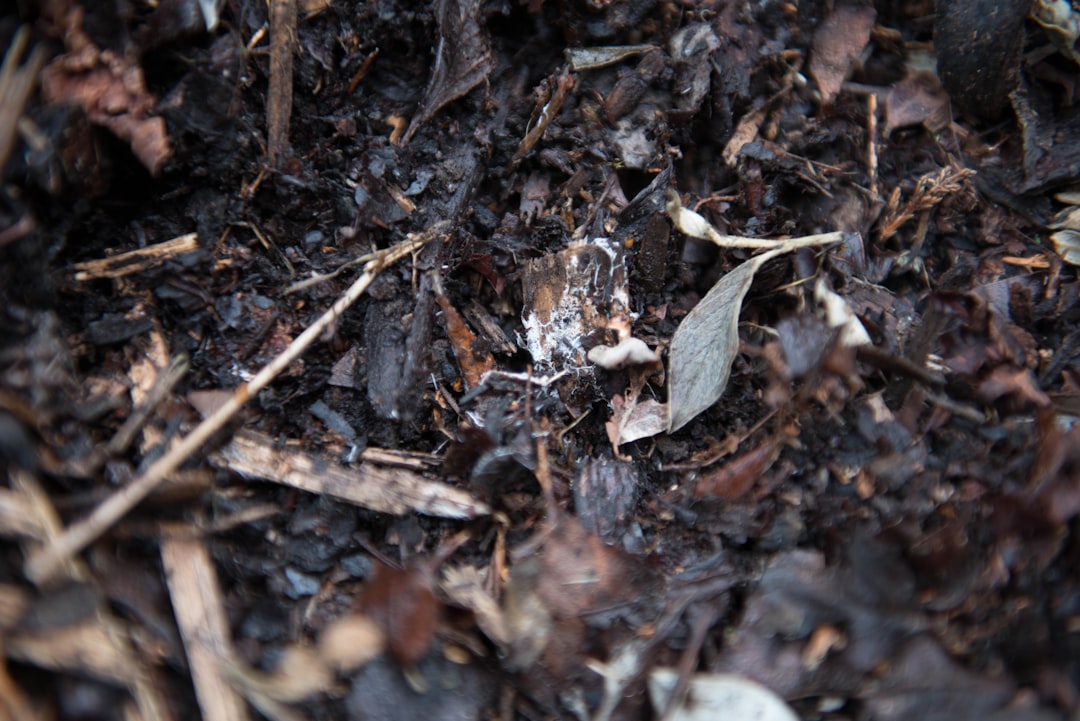
Composting is a natural process that transforms organic waste into nutrient-rich soil, which is essential for healthy plant growth. At Verdant Blossom, we understand the importance of soil health in creating vibrant gardens and landscapes. This guide will walk you through the basics of composting, addressing common user needs and motivations, and highlighting the benefits of incorporating compost into your gardening practices.
The value proposition of composting lies in its ability to recycle kitchen scraps and yard waste, reducing landfill contributions while enriching your soil. By composting, you not only contribute to environmental sustainability but also enhance the fertility of your garden, leading to healthier plants and more bountiful harvests. This process is particularly beneficial for those looking to maintain a lush garden without relying heavily on chemical fertilizers.
Many gardeners face challenges such as poor soil quality, pest infestations, and the need for sustainable gardening practices. Composting addresses these issues by improving soil structure, increasing moisture retention, and providing essential nutrients. Additionally, compost can help suppress plant diseases and pests, creating a more resilient garden ecosystem.
The benefits of composting extend beyond just soil health. It can also save you money on fertilizers and reduce the amount of waste you produce. By turning your organic waste into compost, you create a valuable resource that can be used in various gardening applications, from enriching flower beds to improving vegetable gardens.
Practical outcomes of composting include:
1. Enhanced soil fertility leading to healthier plants.
2. Improved soil structure, which promotes better drainage and aeration.
3. Reduced need for chemical fertilizers, promoting organic gardening.
4. A sustainable way to manage kitchen and garden waste.
Building trust and credibility in composting practices is essential. At Verdant Blossom, we prioritize education and support for our clients. Our team of experts is available to guide you through the composting process, ensuring you understand each step and can effectively implement it in your gardening routine.
Step-by-step plan:
Step 1: Gather organic materials such as fruit and vegetable scraps, coffee grounds, and yard waste.
Step 2: Create a compost bin or pile in a suitable location, ensuring good airflow.
Step 3: Layer your materials, alternating between green (nitrogen-rich) and brown (carbon-rich) materials.
Step 4: Turn the compost regularly to aerate it and speed up the decomposition process.
In conclusion, composting is a simple yet effective way to improve soil health and contribute to a sustainable gardening practice. By understanding the process and its benefits, you can create a thriving garden that not only looks beautiful but also supports the environment. At Verdant Blossom, we are here to assist you with all your gardening needs, from composting to landscape maintenance and beyond.